ECB Lagarde says the digital euro is ready to grow.

Author
Suja Sunderarajan

Author


Share

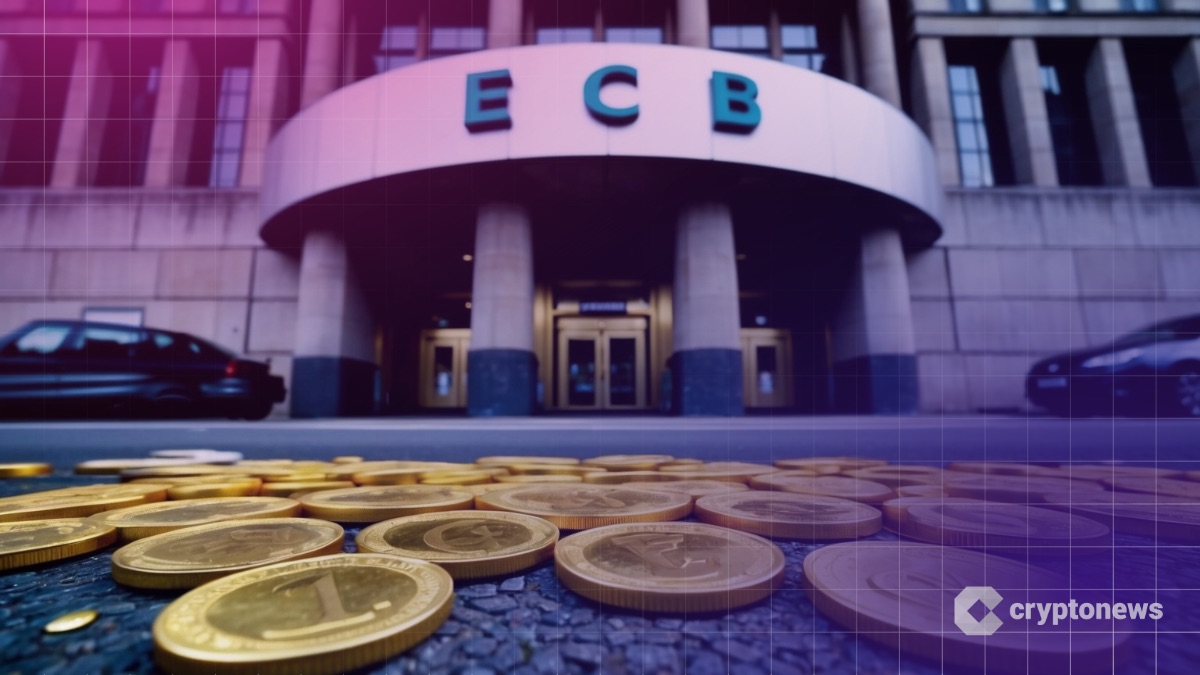
The European Central Bank (ECB) has indicated that it is ready to launch the digital euro and is now awaiting legal action from the European Parliament and the Commission.
The digital euro is technically ready, ECB President Christine Lagarde said in her final press conference of the year on Thursday.
“We did our job, we carried the water,” Lagarde said. But now it is up to the European Council and later the European Parliament to determine whether the Commission's proposal is satisfactory, how it can be turned into legislation or amended.
In September, ECB Executive Board member Piero Cipollone set a realistic timeline for the rollout of the digital euro around mid-2029, calling it a “fair assessment”.
At the time, he said, “Discussions at the level of member countries are going well.”
Now, with authorities emphasizing the building of preparatory systems, the focus on licensing is shifting to political institutions.
Lagarde added, “We have high hopes for the work to be done in the Parliament after the Council has decided on its opinions.”
Lagarde, along with her counterparts from other EU countries, is a “very strong” supporter of the initiative.
MiCA-Compliant Stablecoins Are Considered Safe: ECB President
In a question-and-answer session, the head of the ECB denied that stablecoins are a threat to European monetary sovereignty as the asset class comes under European markets under the Crypto-Assets Regulation (MiCA).
“We are lucky in Europe to have something called MICAR,” Lagarde said. It is the legal framework within which tools such as stablecoins can operate and be regulated and considered safe.
Additionally, she added, regulated stablecoins are an “alternative form of payment,” which may have its own advantages.
She also stressed the potential risks surrounding a multi-issue currency for a stable coin, which could expose reserves.
“So I think we need to be very careful about what happens to the system itself and the stability of coin holders in this particular space.”
The digital euro coexists with fiat money
At the meeting, President Lagarde stressed that the ECB does not intend to be a model for the digital euro. Rather, “to ensure a currency that is an anchor of stability for the financial system in the digital age.”
She reaffirmed the ECB's commitment to making euro cash widely available, stressing that the digital euro is intended to replace, not replace, fiat money. “Besides making sure it's user-friendly, inexpensive, fast, efficient, personal that it can work online, offline,” she said.
In addition, by adopting an informed approach to interest rate decisions, inflation is projected to reach the ECB's 2 percent target by 2028.
Trending news, recommended popular crypto topics, price predictions