New US Tariff Data May Explain Why Bitcoin’s Price Is Stuck
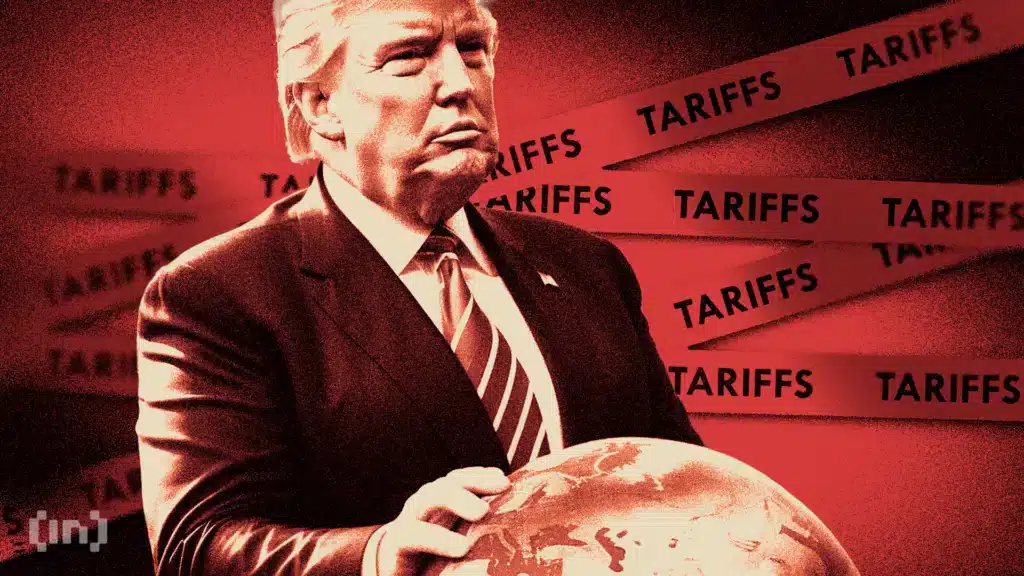
A new study cited by the Wall Street Journal suggests that US tariffs are quietly weighing on the domestic economy. That drag may help explain why crypto markets have struggled to regain momentum since the October selloff.
According to a study by Germany's Kiel Institute for the World Economy, 96 percent of the cost of tariffs imposed between January 2024 and November 2025 will be absorbed by U.S. consumers and importers, while foreign exporters will absorb just 4 percent.
Nearly $200 billion in tariff revenue is paid out almost exclusively in the US economy.
Sponsored

Tariffs are acting as taxes on domestic consumption.
The study challenges the main political question of whether tariffs are paid by foreign producers. In practice, US importers pay tariffs at the border, then absorb or pass on the costs.
Exporters mostly kept their prices steady. Instead, they shipped fewer goods or shifted supplies to other markets. The result was lower trading volume, not cheaper revenue.
Economists describe this effect as a progressive consumption tax. Prices don't jump immediately. Costs creep into the supply chain over time.
Sponsored
US inflation is moderate, but pressure has built.
US inflation remains relatively stable through 2025. This has led some to conclude that tariffs have had little effect.
However, studies cited by the WSJ show that about 20% of tariff costs reach consumer prices within six months. The rest are sitting with importers and retailers squeezing margins.
This slow-pass power is being quietly eroded, which explains why inflation has been moderate. The pressure is stored instead of exploding.
Sponsored
How does this relate to the slowdown in the Crypto market?
Crypto markets depend on demand liquidity. Households and businesses tend to overconfidently deploy capital.
Tariffs slowly eroded that surplus. Consumers paid more. Businesses have incurred costs. Cash is rarely available for speculative properties.
This helps explain why crypto didn't collapse after October, but failed to go higher. The market entered is not a bear market but a place of liquidity.
Sponsored
The October crash wiped out gains and stalled ETF earnings. Under normal circumstances, deflating inflation would probably reinvigorate appetite.
Instead, tariffs quietly tightened financial conditions. Inflation remained above target. Beware the Federal Reserve. The liquid does not expand.
Crypto prices have moved sideways as a result. It wasn't a shock, but neither was the fuel for further reversals.
In general, the new rate information does not explain crypto volatility by itself. But it helps explain why the market is stuck.
Tariffs quietly squeezed the system, depleted discretionary capital and delayed the return of risk appetite.