Why Coinbase Users Haven’t Received Super Bowl Payments
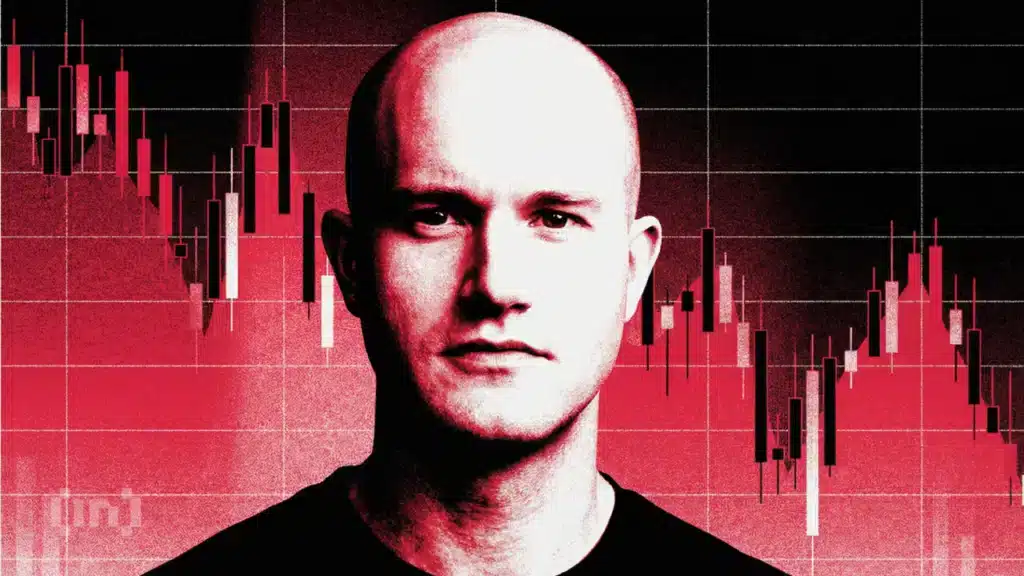
Coinbase is facing heavy criticism from users after several participants in the Super Bowl “Big Game Challenge” prediction market competition reported late or missing payouts, despite being eligible for a share of the advertised Bitcoin prize pool.
Prediction markets are showing growing pains as community complaints and technical concerns grow in popularity as regulatory, operational and infrastructure challenges rise.
Sponsored

Coinbase payment issues highlight the growing pains of forecast markets
On Reddit and other forums, users have described confusing and frustrating experiences with the payment process. Reportedly, some users correctly predicted results in the big game, but “still haven't been paid.”
Others have reported winnings or payouts appearing in their accounts briefly before disappearing without explanation and reflected in USD without transfer or access.
Amidst these frustrations, some are calling the situation “carpet pulling,” the Coinbase app initially confirmed they won after five correct selections, the qualifying level, only to later receive an email to reveal they didn't win.
“According to the Coinbase app, I won the Big Game Predictions with 5 correct predictions with a $5 bet per prediction. I was told they would hold my payment. However, I received an email from Coinbase saying I didn't win. Does anyone else feel like this is a scam or some kind of scam?”
However, support responses in some threads indicate that prizes are being held until all prediction markets and mailers are settled in accordance with the official rules of the tournament.
Coinbase previously stated that winners will receive their Bitcoin rewards into their accounts on February 23, 2026.
Sponsored
However, lack of transparency and account migration have frustrated users trying to verify settlement status.
“We fully understand how important this is to you. Verified winners will receive their prize directly into their Coinbase account. The prize amount will be a share of $1,000,000 in Bitcoin, divided equally among all winners. Prizes are expected to be filled no later than February 23, 2026,” Coinbase explained.
Infrastructural tensions, regulatory hurdles and the rise of Crypto prediction markets
The timing of these complaints coincides with broader problems in crypto-related prediction markets. Coinbase's partner platform Kalshi, which supports Event Contracts, experienced delays in deposits and transactions due to heavy traffic during the Super Bowl.
“Calshi is making all this ad investment just for their app, not to put it on Super Bowl day, it feels right,” said one user.
Sponsored
Kalshi founder Luana Lopez Lara acknowledged the delays but assured users that funds were “safe and on their way.”
These operational deployments highlight how infrastructure designed for day-to-day business can cope with spikes associated with major events.
Similar technical pressure was seen in prediction markets throughout the industry during the championship. This suggests system scalability challenges for platforms offering high-demand event contracts.
Coinbase's setback comes amid a broader regulatory and legal battleground. State gaming regulators, such as the Nevada Gaming Control Board, have sued Coinbase for banning prediction markets. They argue that it is unlicensed sports betting.
These legal actions add uncertainty to the regulatory status of event contracts, planned releases, and user experiences.
Sponsored
Meanwhile, critics in the crypto community say prediction markets need to mature beyond short-term speculative bets.
Voices such as Ethereum founder Vitalik Buterin have warned that overreliance on speculative contracts could create products without deep utility, urging a focus on hedging and risk management applications.
The current Coinbase backlash highlights operational and communication gaps that could lead to rapid product expansion.